




Empowering Bank Sector to Strengthen Cybersecurity Resilience in the Quantum Era
The Hong Kong University of Science and Technology (HKUST) is co-leading the development of a Post-Quantum Cryptography (PQC) Toolkit with the Hong Kong Monetary Authority (HKMA). The initiative is designed to help banks address the potential challenges that advances in quantum computing may pose to existing encryption technologies and to prepare for the transition to post-quantum cryptography. The collaboration was announced at the eighth edition of the FiNETech series (FiNETech8), the HKMA's flagship fintech event, co-hosted by the HKMA, Cyberport Hong Kong, the FinTech Association of Hong Kong, and the School of Business and Management at HKUST (HKUST Business School).
As advances in quantum computing continue to accelerate, financial institutions worldwide are preparing for a future in which today's cryptographic methods may no longer provide adequate protection for sensitive information and critical financial infrastructure. The PQC Toolkit aims to equip banks with practical frameworks and guidance to identify transition priorities, plan their migration to post-quantum cryptography, and build cryptographic agility—the ability to effectively adapt and upgrade cryptographic systems as technological standards evolve—thereby enhancing the preparedness for future quantum-related risks.
As the only university leading the toolkit's development, HKUST brings together expertise rarely found within a single institution, combining strengths in cybersecurity, cryptography, finance, economics, governance, and technology adoption, while drawing on its broader capabilities in computer science and engineering. This interdisciplinary approach enables HKUST to translate complex technical standards into practical business strategies and implementation frameworks that financial institutions can readily apply in real-world settings.
Ms. Carmen Chu, Executive Director (Banking Supervision) of the HKMA, noted: "The quantum conversation is clearly shifting from possibility to preparedness. For banks, the task is twofold: risk management of quantum, and risk management by quantum." The HKMA's recent Whitepaper on Quantum Preparedness of Hong Kong's Banking Sector identifies cryptographic agility as a key recommendation for the banking industry as it navigates future quantum-related risks.
Prof. Frederik Anseel, Dean of HKUST Business School, emphasized: "The transition to post-quantum cryptography is not only a technological challenge; it is also a leadership challenge. Financial institutions must make decisions today about risks that may emerge years from now. At HKUST Business School, we are uniquely positioned to bridge advanced research and real-world implementation, helping organizations translate emerging technologies into practical strategies and informed action. Through our collaboration with the HKMA, we are proud to contribute to strengthening the long-term resilience and competitiveness of Hong Kong's financial sector."
Prof. Anseel also noted that the initiative reflects HKUST Business School's commitment to advancing impactful research and fostering collaboration among academia, industry, and policymakers. By helping financial institutions strengthen their preparedness for the quantum era, HKUST aims to support the continued development of Hong Kong as a leading international financial center and fintech innovation hub.
Prof. Allen Huang, Head and Professor of the Department of Accounting at HKUST Business School, who leads the collaboration, said: "The interdisciplinary collaboration between HKUST Business School and the School of Engineering, spanning finance, cybersecurity, and cryptography, provides critical support for this initiative. Equally important is our deep understanding of the banking sector's practical needs, which enables us to translate technical standards into business case, governance frameworks, and adoption pathways that the industry truly needs, while supporting the sector's long-term development as an independent partner."
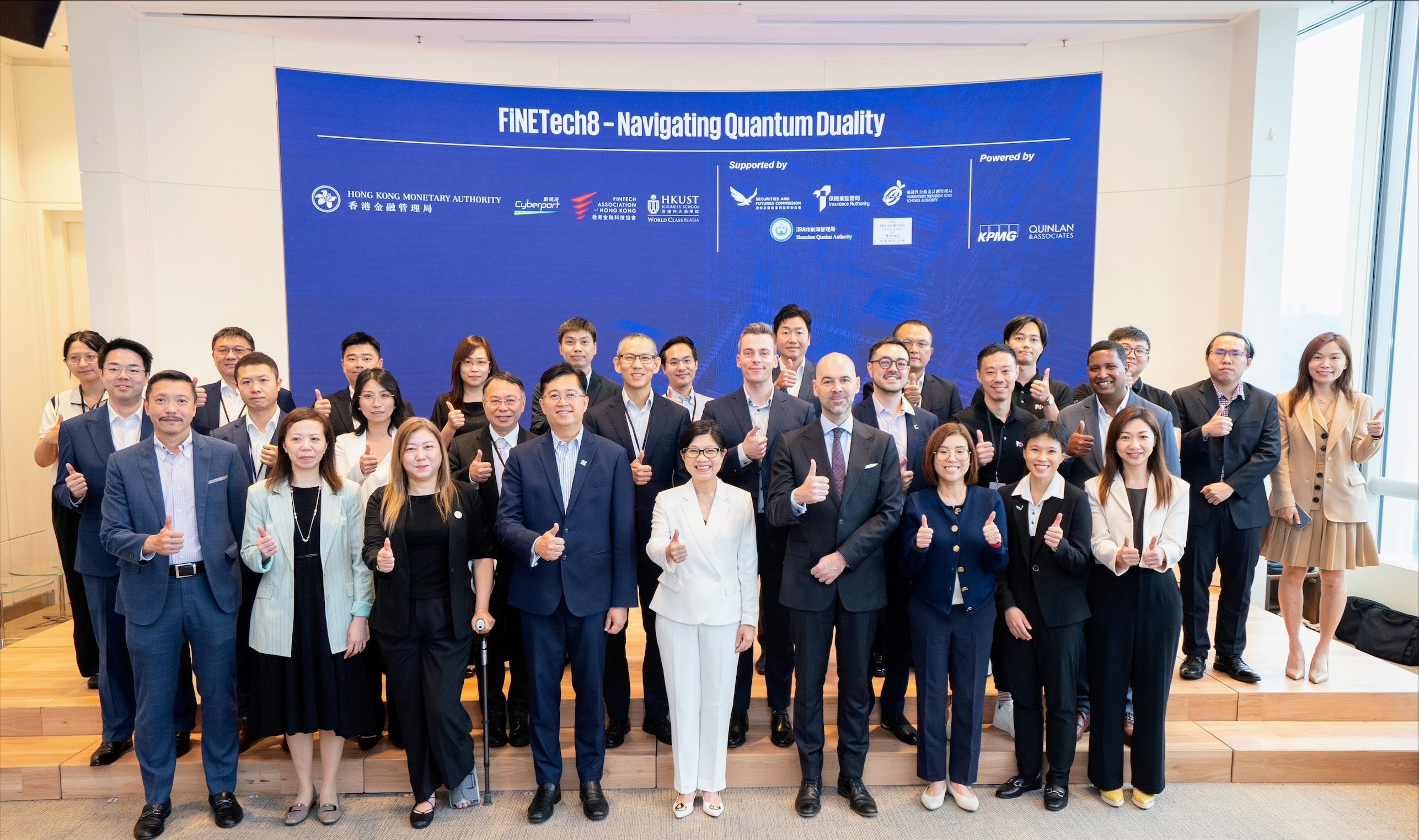 HKUST is co-leading the development of a Post-Quantum Cryptography (PQC) Toolkit with the HKMA, an initiative designed to help banks address the potential challenges posed by advances in quantum computing to existing encryption technologies and prepare for the transition to post-quantum cryptography.
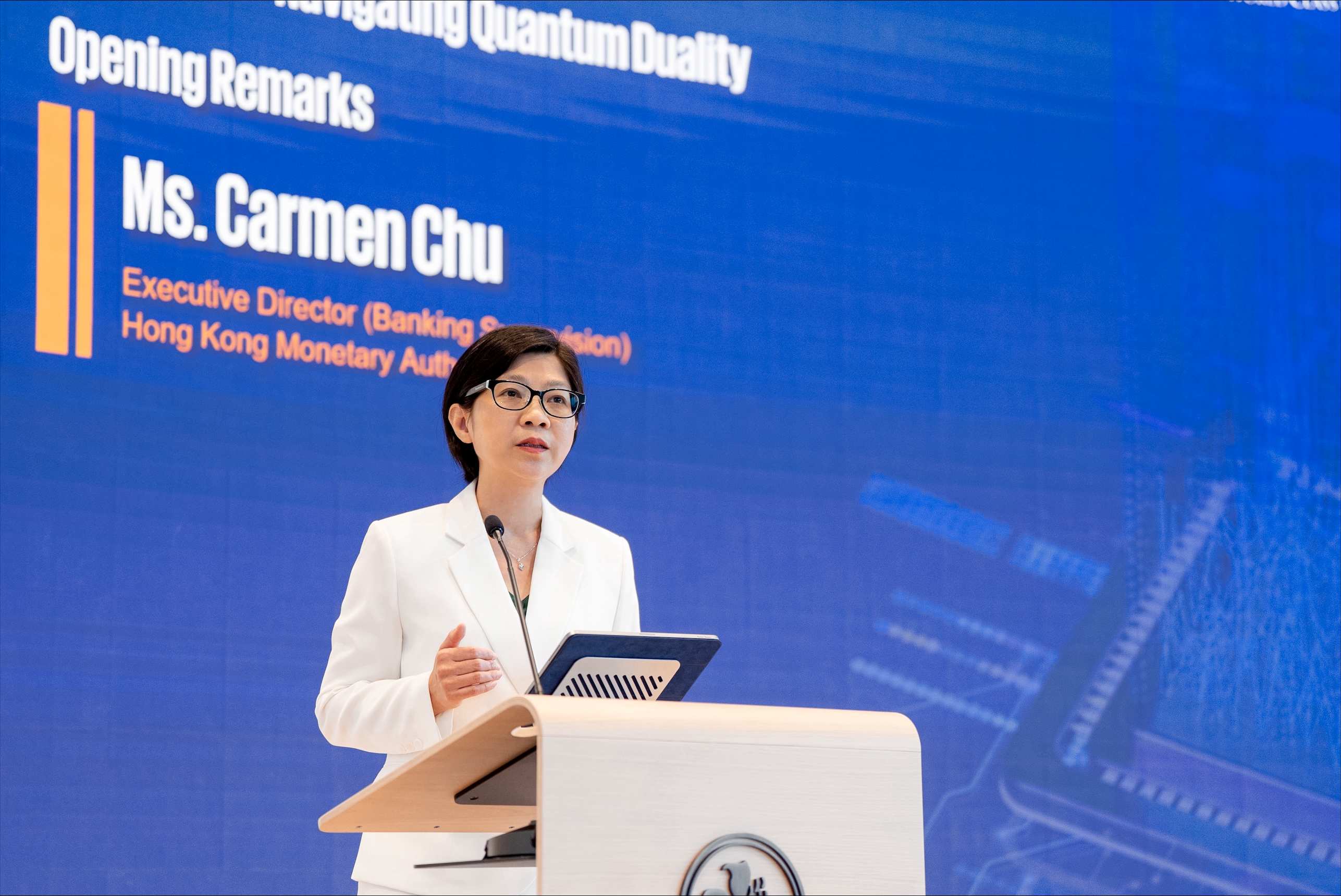 Ms. Carmen Chu, Executive Director (Banking Supervision) of the HKMA, noted that the quantum conversation is clearly shifting from possibility to preparedness.
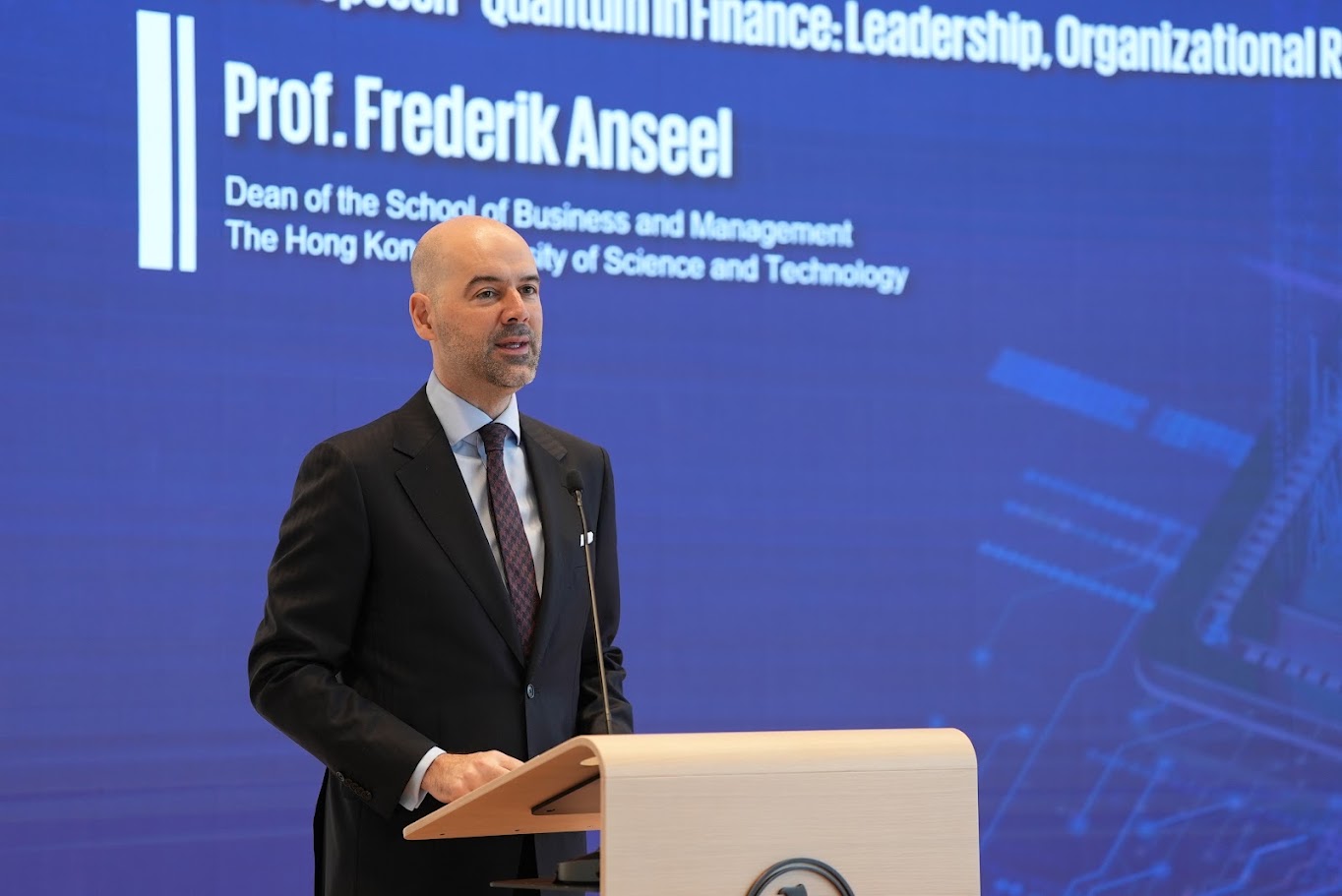 Prof. Frederik Anseel, Dean of HKUST Business School, noted that by helping financial institutions strengthen their preparedness for the quantum era, HKUST aims to support the continued development of Hong Kong as a leading international financial center and fintech innovation hub.
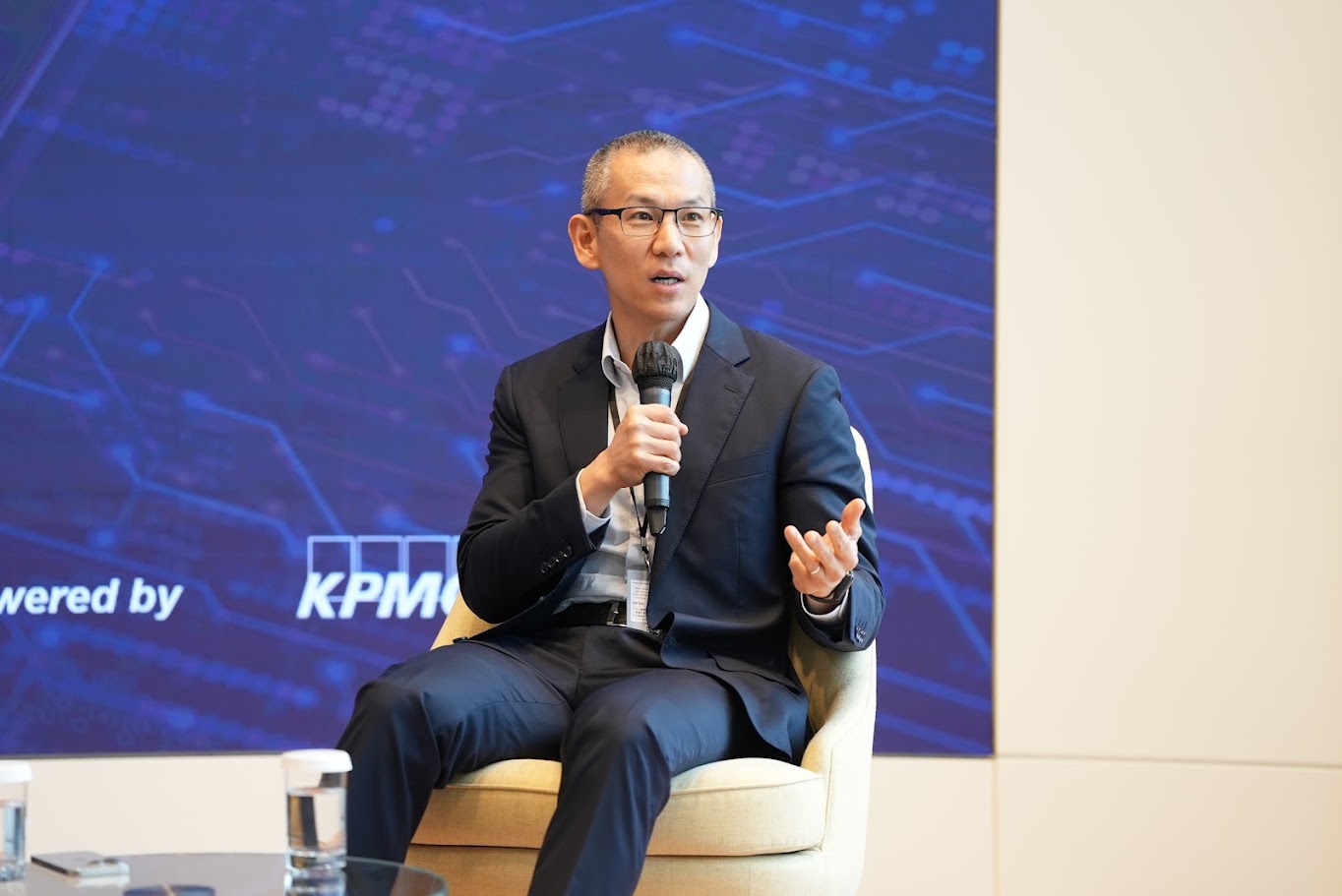 Prof. Allen Huang, Head and Professor of the Department of Accounting at HKUST Business School, who leads the collaboration, said the interdisciplinary collaboration between HKUST Business School and the School of Engineering, spanning finance, cybersecurity and cryptography, provides critical support for this initiative.
- Ends –
About HKUST Business School
The HKUST Business School is young, innovative and committed to advancing global business knowledge. The School has forged an international reputation for world class education programs and research performance, and has received many top global rankings. Rooted in Asia yet global in outlook, our international community of faculty and learners thrives on the convergence of diverse cultures, creating an engaging and stimulating environment for learning and research. HKUST graduates are highly competitive, consistently ranking among the world’s top 30 most sought-after employees. For more details about the School, please visit https://bm.hkust.edu.hk.
Media Enquiries
HKUST Business School
Danny LEE
Tel: 852-3469 2090
E-mail: dannyyklee@ust.hk