




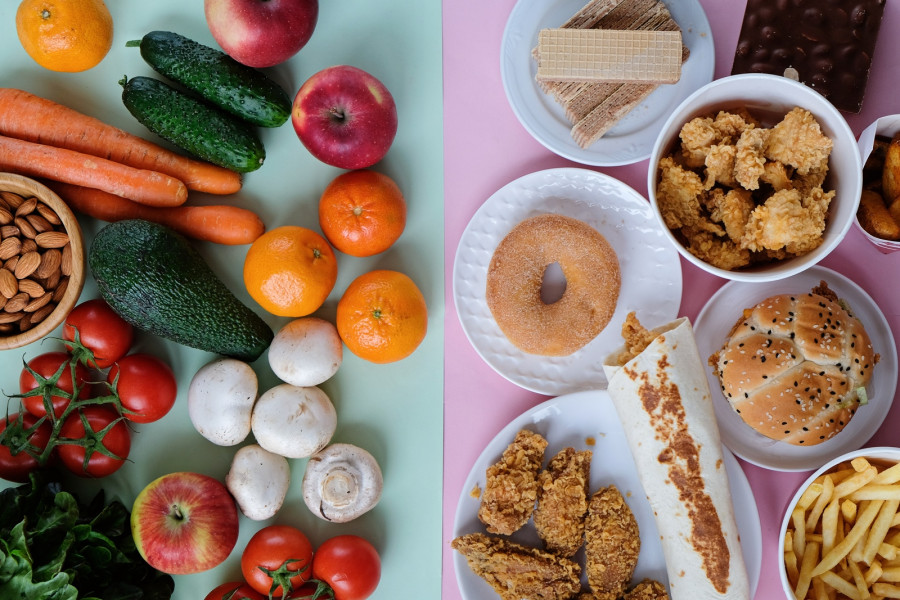
Self-customization is an increasingly popular strategy where customers are able to create their own product. However, it remains unclear how self-customization options in restaurants influence customers’ health-related dietary choices. HKUST’s Ralf van der Lans and colleagues shed light on this important topic from the perspective of autonomy and self-regulation.
Although studies of products such as automobiles and mobile phones have found that both consumers and firms can benefit from self-customization, these advantages may not transfer to the restaurant sector. After conducting a pilot study among restaurant managers, the researchers found that “while managers recognize the appeal of self-customization with unlimited toppings for consumers, they hesitate to adopt it due to concerns about increased ingredient costs“. Managers predictions are “based on the assumption that consumers equate more with better,” say the authors.
Despite these possibilities, the authors made the opposite prediction. They theorized that self-customization increases diners’ autonomy and self-regulation, thereby promoting healthy eating when ordering indulgent food. To test their prediction, they conducted a field study in which they switched a pizza restaurant’s service model from a fixed to a self-customizable menu. The fixed menu contained standard pizzas, such as Margherita, Pepperoni, or Quattro Formaggi, while in the self-customizable menu customers could add any topping of their choice. In two further survey studies, participants were randomly assigned to order pizzas from a fixed or self-customized menu, with some were also given the option of ordering a salad.
As predicted, the participants in the field study chose healthier pizza toppings when allowed to customize their orders. The survey participants also ordered significantly healthier pizzas from the self-customization menu, “as indicated by total calories, fat calories, average topping calories, and average topping fat calories.” The authors’ proposed mechanism was validated, as self-customization was found to enhance the participants’ sense of autonomy.
These findings will inform restaurant managers who are concerned about increases in ingredient costs associated with self-customization options. “Our findings contradict this belief,” the researchers explain, “showing that self-customization reduced overall consumption.” Promisingly, therefore, self-customization may benefit both businesses and consumers in the food and beverage industry.